
The Problems
Where Waste Sparks Creativity and Every Piece Tells a Story
Plastic pollution and the accumulation of unrecycled materials have reached an unprecedented level, posing a serious environmental threat globally. Over the past 70 years, more than 8 billion tons of plastic have been produced worldwide. This number continues to grow exponentially each year. A significant concern lies in the fact that most of these plastics are not biodegradable. Unlike organic waste, which can decompose naturally over time, plastic remains in the environment for hundreds of years. Consequently, plastic waste tends to accumulate in landfills, oceans, and landscapes rather than breaking down, resulting in long-lasting pollution. Alarmingly, only about 9% of all plastic waste is recycled each year, leaving the vast majority to contribute to global environmental degradation.
The global recycling landscape changed significantly when China, once the world’s largest importer of recyclable waste, ceased accepting foreign waste. This decision forced countries like the United States to urgently reconsider and reform their waste management strategies. Domestic recycling systems are now under pressure to become more efficient and sustainable, emphasizing the need for innovative approaches to manage the growing volume of waste.
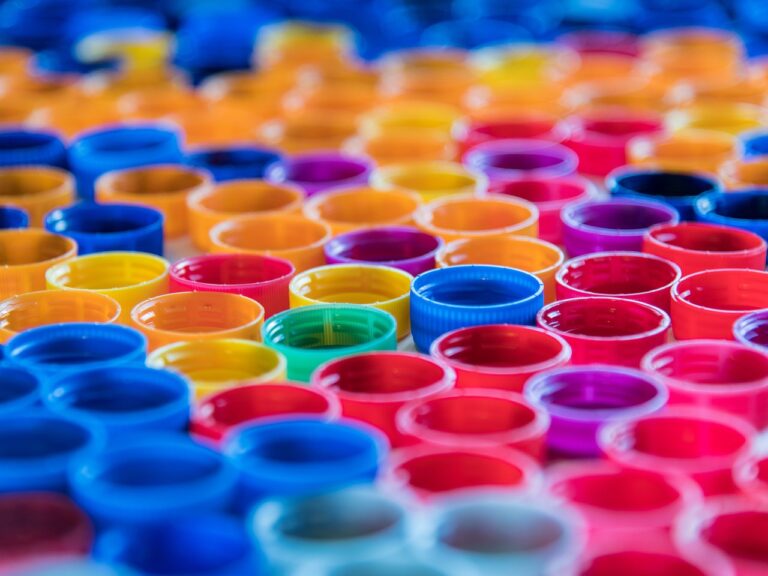
While preventive measures—such as using biodegradable alternatives to plastic, including paper straws and minimal packaging—are crucial, they are not sufficient to address the massive amount of plastic already polluting our planet. To tackle this crisis, some forward-thinking companies, such as Conceptos Plásticos and ByFusion, are leading the way by repurposing existing plastic waste into valuable resources. These companies have developed technology to convert plastic waste—including certified marine debris from areas like the Great Pacific Garbage Patch—into sustainable building materials. These materials are used to construct homes, community shelters, and other infrastructure, offering a promising solution to two critical issues at once: plastic pollution and the affordable housing crisis.
This intersection of environmental sustainability and housing innovation is particularly relevant for communities such as California State University, Northridge (CSUN) and the broader San Fernando Valley area, where affordable housing remains a pressing concern. In Los Angeles County, housing costs often account for the largest portion of household income. For many residents, particularly low-income individuals, renters, and communities of color, housing expenses exceed 30% of their income—qualifying as a housing burden. In some severe cases, these costs exceed 50% of household income. This burden limits families’ ability to afford essential needs such as food, healthcare, and education, increasing stress and exacerbating cycles of poverty.
Housing instability and high costs also contribute directly to homelessness. According to the Los Angeles Homeless Services Authority, over 69,000 individuals experienced homelessness in LA County in 2022. The issue is most concentrated in the Metro (26%), South LA (21%), and San Fernando Valley (14%) regions. In the San Fernando Valley specifically, thousands live in tents, vehicles, or temporary shelters. For example, in July 2020, only a small fraction of people experiencing homelessness in neighborhoods such as Mission Hills, North Hills, Canoga Park, Sylmar, Van Nuys, Pacoima, and Sun Valley had access to adequate shelter. These numbers highlight a critical gap in services and underscore the urgency of finding sustainable and scalable housing solutions.
In this context, plastic-based building materials present a compelling alternative to traditional construction methods. These materials offer several advantages: they are durable in extreme weather, waterproof, resistant to seawater, immune to damage from insects, rodents, and microorganisms, anti-corrosive, fire-resistant, and do not require painting or complex maintenance. Additionally, they provide superior insulation—thermal, acoustic, and electrical—enhancing the comfort and efficiency of homes built with them. Because installation does not require specialized labor or heavy equipment, overall construction costs are significantly reduced compared to traditional methods.
By aligning efforts between CSUN, local organizations like Hope in Hearts, and policymakers, we can build momentum toward meaningful change. Projects that utilize recycled plastic materials for affordable housing not only mitigate environmental damage but also offer a tangible solution to homelessness and housing insecurity. These collaborative initiatives represent a powerful step toward a future where sustainable living and social equity go hand in hand.
Start Your Sustainable Journey Today!
Looking for recycling solutions, donation estimates, or partnership opportunities? We’re here to help! Request a quote and discover how Trash Treasure Recycling Centers can support your needs while making a positive impact on the community and the environment.